Source Power Steering Oil Tank Filter for Automotive, Industrial, and Hydraulic Systems
Find and compare 30 power steering oil tank filter options from Chinese manufacturers. Evaluate specifications such as adsorption principles, metal construction, and OEM quality standards for liquid filtration needs.
Key considerations
Products List


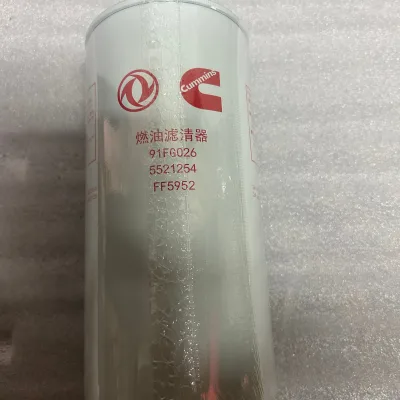


Comprehensive Sourcing Guide
Power Steering Oil Tank Filter Sourcing Guide
The power steering oil tank filter is a critical component designed to maintain hydraulic fluid purity within automotive steering systems, ensuring smooth operation and extended component life. Based on observed market data, these filters are frequently categorized under oil filtration systems with specific mechanical principles such as adsorption and automatic performance features. The product scope includes various structural configurations, with fixed structures being a common observation for units intended to handle oil impurities and separate oil-water mixtures. Buyers should recognize that while the core function remains consistent, the specific application can range from general liquid filtration to specialized uses in medicine, food and beverage, and metallurgy, depending on the filter grade and material composition.
When sourcing these components, procurement teams must navigate a diverse range of product models and specifications that cater to different vehicle and industrial requirements. The observed product models, such as 5802512084, PT23629, and 1457434310, indicate a high degree of customization available to meet specific OEM quality standards. The market offers filters in various colors including black, green, white, and grey, constructed from materials like metal and steel, which directly influence durability and compatibility. Understanding that these filters are often designed to fit more than 90% of vehicle models helps in selecting the right unit, but verifying the exact model number against the specific vehicle or machinery is essential to avoid compatibility issues.
Product Scope and Observed Listing Signals
The product listings for power steering oil tank filters reveal a wide spectrum of filtration grades, ranging from medium filters to high-efficiency ULPA filters, which dictates their suitability for different fluid cleanliness requirements. While the primary application is for oil impurities in liquid systems, the observed data also highlights applications in textile and general industry sectors, suggesting that some units may be versatile enough for broader hydraulic or pneumatic systems. The filtration fineness is a critical signal, with observed ranges spanning from 1μm to 100μm, allowing buyers to match the filter's precision to the sensitivity of the steering system's internal components.
Listing signals also indicate significant variation in physical dimensions and connector types, which are vital for physical integration into existing systems. Buyers will encounter specifications for outer diameters such as Φ60mm, Φ63mm, and Φ65mm, alongside inner diameters of Φ28mm and Φ30mm, requiring precise measurement of the host unit before ordering. The presence of flat connectors and specific length options like 10, 20, 30, and 40 inches suggests that these filters are not one-size-fits-all but are engineered for specific housing geometries. Additionally, the observation of activated carbon filter types, specifically compact varieties, points to advanced filtration capabilities that may be necessary for systems requiring odor control or chemical adsorption alongside particulate removal.
Technical Specifications to Verify
Verifying the mechanical and structural integrity of the filter is paramount, as the observed data highlights a mix of adsorption principles and automatic performance features that must align with the system's operational demands. Buyers should confirm whether the filter utilizes a fixed structure or a different configuration, as this impacts maintenance schedules and installation complexity. The maximum pressure rating is another critical technical parameter, with observed values reaching 0.5MPa, which must be compared against the operating pressure of the power steering system to prevent catastrophic failure or leakage under load.
Material composition and filtration grade are equally important technical factors that determine the filter's lifespan and efficiency. The observed materials include metal and steel, which offer robustness, but the specific filtration grade—whether medium or ULPA—must be selected based on the required cleanliness level of the hydraulic fluid. Furthermore, the type of filter, such as PP (Polypropylene) or double filter configurations, influences the flow rate and contaminant holding capacity. Buyers must ensure that the filter connector type, specifically the flat connector observed in listings, matches the port configuration of the oil tank to ensure a secure and leak-free seal during operation.
Compliance and Safety Documentation
Compliance with international standards is a non-negotiable aspect of sourcing power steering oil tank filters, particularly given the safety implications of hydraulic system failures. The observed certification data includes CE marking, which indicates conformity with health, safety, and environmental protection standards for products sold within the European Economic Area. Procurement teams should request valid certification documents for every batch to ensure that the filters meet the necessary regulatory requirements for the target market, as this documentation serves as proof of the manufacturer's adherence to quality and safety protocols.
In addition to product certifications, buyers must verify the adherence to specific production standards and packaging requirements that ensure the product arrives in optimal condition. The observed standards include dimensions like 303030 and weight specifications such as 1kg or 2kg, which are often used for shipping and handling calculations but also reflect the physical consistency of the product. Packaging standards vary from standard boxes and export cartons to wooden crates, and the choice of packaging should be dictated by the fragility of the filter and the logistics route. Ensuring that the packaging is robust enough to prevent damage during ocean freight or other transport modes is essential to maintaining the filter's structural integrity before installation.
Cost Drivers and Commercial Terms
The cost of power steering oil tank filters is influenced by a complex interplay of material costs, filtration technology, and customization requirements. The observed price range of 0.1 to 25 USD suggests a wide disparity based on the filter's complexity, with ULPA filters and specialized materials likely commanding higher prices than standard medium filters. Buyers should analyze the cost per unit against the expected service life and filtration efficiency, as a lower upfront cost may result in higher long-term expenses if the filter requires more frequent replacement or fails to protect the steering system adequately.
Commercial terms such as Minimum Order Quantity (MOQ) and lead times are significant factors that affect procurement planning and cash flow. The observed MOQ range of 1 to 1000 units indicates that suppliers offer flexibility for both small-scale testing and large-volume production runs, allowing buyers to scale their orders based on demand forecasts. However, the lead time and shipping methods, including ocean freight options, must be factored into the total cost of ownership. Buyers should negotiate clear terms regarding customization availability, as the observed data confirms that custom packaging and specifications are possible, but these may incur additional costs or extended lead times that impact the overall project timeline.
Supplier Qualification and Quality Control
Supplier qualification for power steering oil tank filters requires a rigorous assessment of their manufacturing capabilities and quality assurance processes. The observed data indicates that many suppliers offer OEM quality products, which implies a capacity to meet specific customer requirements and maintain consistency across production batches. Buyers should verify the supplier's ability to provide detailed product specifications, including model numbers like 2848227 or A4571840225, and ensure that these models are backed by a robust quality control system that minimizes the risk of defects.
Quality control extends beyond the final product to include the verification of raw materials and production standards. The use of materials like steel and metal, along with specific filtration grades, must be validated through supplier documentation or third-party testing. Buyers should also assess the supplier's flexibility in handling custom orders, as the observed availability of customization suggests a responsive manufacturing environment. Establishing a clear communication channel for quality issues and ensuring that the supplier can provide traceability for each batch is essential for maintaining the reliability of the power steering systems that rely on these filters.
Long-Term Procurement Checks
Establishing a long-term procurement strategy for power steering oil tank filters involves regular performance monitoring and supplier relationship management. Buyers should implement a system to track filter performance in the field, noting any instances of premature failure or contamination breakthroughs that could indicate a deviation from the specified filtration fineness or material quality. This data-driven approach allows for continuous improvement in supplier selection and ensures that the filters continue to meet the evolving needs of the application, whether in automotive or industrial settings.
Periodic audits of supplier compliance and quality standards are also critical for maintaining a reliable supply chain. Buyers should schedule regular reviews to verify that the supplier continues to adhere to the observed certifications, such as CE, and that their production standards remain consistent with the initial agreements. Additionally, staying informed about changes in industry standards and technological advancements, such as new filtration grades or material innovations, will help buyers make informed decisions about upgrading their filter specifications. By maintaining a proactive approach to procurement, organizations can ensure the longevity and efficiency of their power steering systems while mitigating the risks associated with supply chain disruptions.
FAQs
What is the mechanical principle of this oil filter?
The mechanical principle is adsorption, which effectively captures oil impurities from the liquid. This method ensures high filtration efficiency for various applications including medicine, food, and industry. The filter operates automatically with a fixed structure, making it suitable for continuous use in metallurgy and other sectors requiring reliable oil-water separation.
Which certifications does the product hold?
The product holds CE certification, ensuring compliance with European safety and quality standards. This certification is crucial for buyers in regulated industries such as medicine and food and beverage. The metal and steel materials used further support durability and reliability, meeting OEM quality requirements for diverse vehicle models and industrial machinery applications.
Can the filter be customized for specific needs?
Yes, customization is available to meet specific customer requirements. Buyers can request tailored specifications, including packing options like standard boxes, export cartons, or wooden crates. The filter supports various models and dimensions, allowing for precise adaptation to different machinery. This flexibility ensures optimal performance across more than 90% of vehicle models and industrial setups.
What is the maximum pressure rating?
The maximum pressure rating is 0.5MPa, ensuring safe operation under moderate pressure conditions. This limit is suitable for many liquid filtration applications, including oil impurity removal and water separation. The filter's design, featuring flat connectors and specific inner and outer diameters, supports stable performance within this pressure range for industrial and automotive uses.
What materials are used in construction?
The filter is constructed from metal and steel, providing robust durability and resistance to corrosion. These materials ensure long-term performance in demanding environments such as metallurgy and industry. The solid build supports the automatic operation and fixed structure, making it ideal for filtering oil impurities and maintaining system integrity in various liquid applications.
How is the product packed for shipping?
The product is packed in standard boxes and export cartons, with options for wooden or customized packaging. This ensures safe transit and protection during international shipping. The packing method is designed to prevent damage, maintaining the filter's quality and specifications. Buyers can choose packaging that best suits their logistics needs, whether for small batches or large industrial orders.